
Tailored Solutions for Complex Energy Demands
At Gletscher Energy, we believe the future of power will not be defined by individual products alone, but by how intelligently clean-energy systems are planned, configured, and deployed. As energy demand becomes more decentralized, electrified, and resilience-driven, Gletscher is building a climate-tech solution model that brings together solar, battery storage, EV charging infrastructure, UPS backup power, portable power, off-grid systems, and future AI-assisted planning workflows.
Our approach is designed for the realities of modern infrastructure: harsh climates, unstable grids, rising electrification demand, diesel dependence, and the need for faster, clearer project decision-making. Rather than offering isolated technologies, we support partners with technical product selection, system sizing, feasibility planning, BOM preparation, procurement coordination, and deployment-readiness guidance. The goal is to help EPCs, system integrators, developers, mobility operators, commercial clients, and infrastructure partners move from energy demand assessment to practical system configuration with greater confidence.
From logistics hubs seeking energy efficiency to telecom sites requiring off-grid continuity, commercial buildings preparing for EV charging, and industrial facilities strengthening backup power, each solution begins with context. Gletscher’s modular ecosystem is designed to adapt across sectors including manufacturing, urban mobility, education, commercial real estate, remote operations, and emerging-market infrastructure. Every configuration is shaped around reliability, sustainability, cost control, and long-term energy resilience.
Backed by technical product intelligence, guided by deployment discipline, and built toward scalable climate-tech innovation, Gletscher Energy is developing more than an energy portfolio. We are building a smarter model for clean-energy deployment.
Our Integrated Solution Frameworks
Solar Systems: Rooftop, ground-mount, commercial, hybrid, and infrastructure-oriented solar configurations designed to support cleaner power generation across multiple deployment environments.
Battery Storage: Energy storage solutions that support backup power, peak shaving, load management, grid resilience, and solar + storage integration across commercial, industrial, and off-grid applications.
EV Charging Infrastructure: EV charging solutions for commercial sites, fleets, public-access locations, mobility hubs, and solar-integrated charging applications.
UPS & Backup Power: Reliable backup power solutions for critical operations, commercial facilities, telecom sites, infrastructure assets, and grid-sensitive environments.
Off-Grid & Microgrid Applications: Modular energy configurations for remote sites, rural areas, islands, construction zones, events, and locations with limited or unstable grid access.
AI-Assisted Planning Workflows: A developing project-support layer for feasibility assessment, load analysis, system sizing, BOM planning, product configuration, and deployment-readiness support.
What sets Gletscher Energy apart is our systems-level thinking. We look beyond individual equipment and consider the wider project environment, including load demand, grid conditions, climate exposure, mobility requirements, regulatory documentation, procurement timelines, and future scalability. This allows partners to approach clean-energy projects with stronger technical clarity and fewer gaps between product selection and execution. Each sector requires a different energy strategy. A factory pursuing lower energy costs, a logistics hub preparing for EV charging, a hotel evaluating rooftop solar, a telecom site requiring off-grid continuity, and a commercial building strengthening backup power all require different configurations, ROI assumptions, storage logic, and deployment priorities. Gletscher’s role is to help partners structure these choices more intelligently.
As we continue to develop our climate-tech platform, our solution model combines product ecosystem depth with feasibility planning, technical review, BOM support, procurement coordination, and AI-assisted workflows. This helps bridge the gap between energy vision and practical deployment, especially in harsh-climate and grid-constrained markets where reliability cannot be treated as an afterthought. Whether a partner is launching new infrastructure, upgrading existing assets, evaluating solar + storage, planning EV charging, or exploring off-grid power, Gletscher Energy provides the framework, product intelligence, and deployment support needed to build cleaner and more resilient energy systems.
Our mission is simple: to help industries, cities, and infrastructure partners generate, store, manage, and deploy energy more intelligently for the future ahead.
Hospitality Sector
Sustainable Energy for Hotels & Resorts
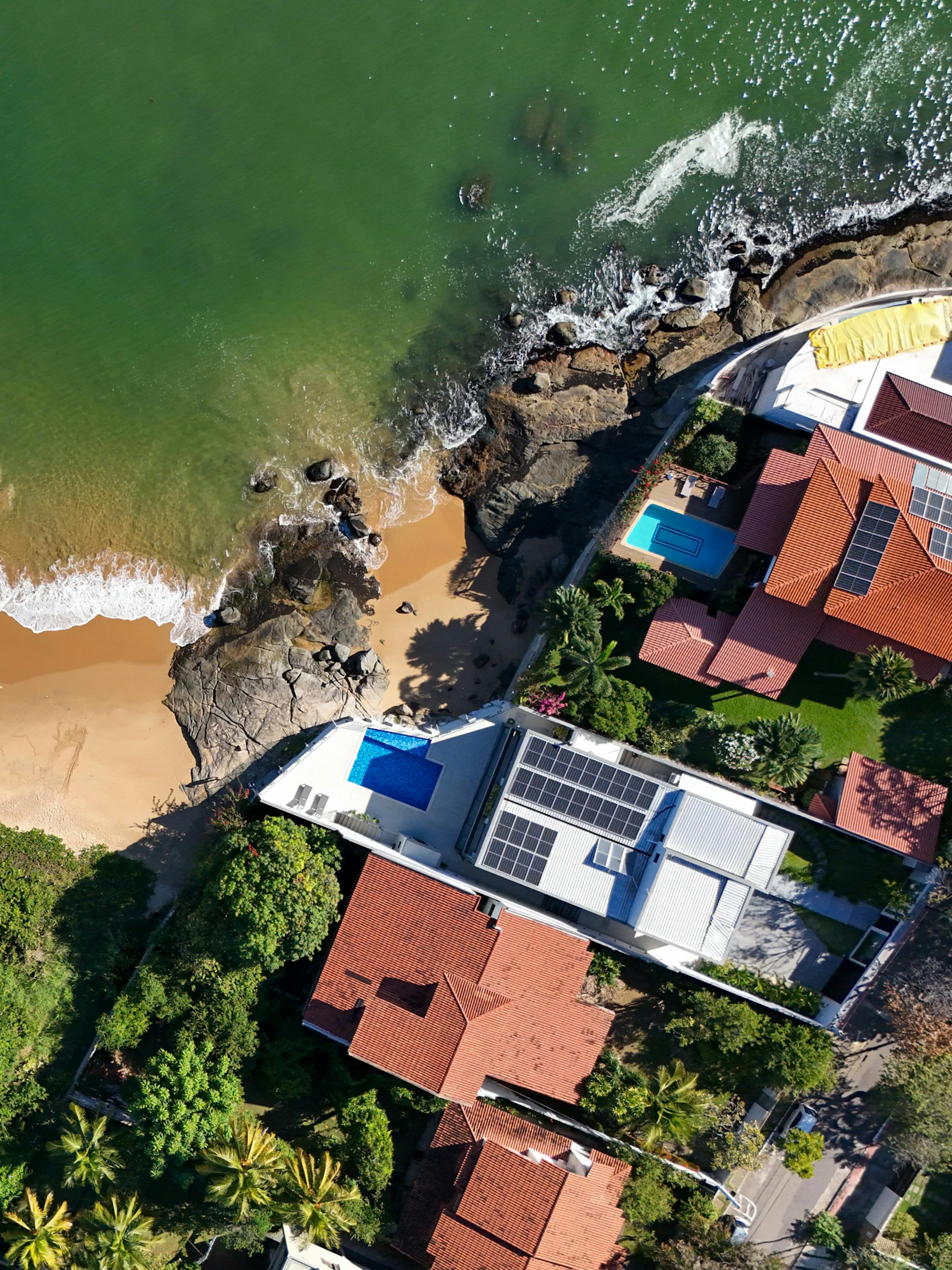
The hospitality industry is a high-energy-consuming sector, with substantial electricity demands for HVAC systems, lighting, water heating, and operational facilities. Gletscher Energy provides customized solar and energy storage solutions to optimize efficiency while maintaining the highest guest experience standards.
Key Benefits of Renewable Energy in Hospitality:

Education Sector
Empowering Institutions with Renewable Energy
Educational institutions are ideal candidates for solar energy integration, as they operate in fixed locations with predictable energy needs. Schools and universities can benefit from sustainable energy solutions to reduce operational costs and promote environmental awareness.
Advantages of Renewable Energy in Educational Institutions:

Oil & Natural Gas Sector
Enhancing Energy Efficiency in Industrial Operations
The oil and gas industry has significant energy demands for extraction, refining, processing, and transportation. Implementing renewable energy solutions in this sector helps optimize operations, reduce emissions, and enhance overall sustainability.
Strategic Benefits of Renewable Energy in Oil & Gas Operations:

Infrastructure
Smart Energy for Public Lighting
Governments prioritize renewable energy for urban infrastructure to enhance safety, efficiency, and sustainability while reducing costs and environmental impact.
Solar-Powered Street Lighting Solutions:
Infrastructure
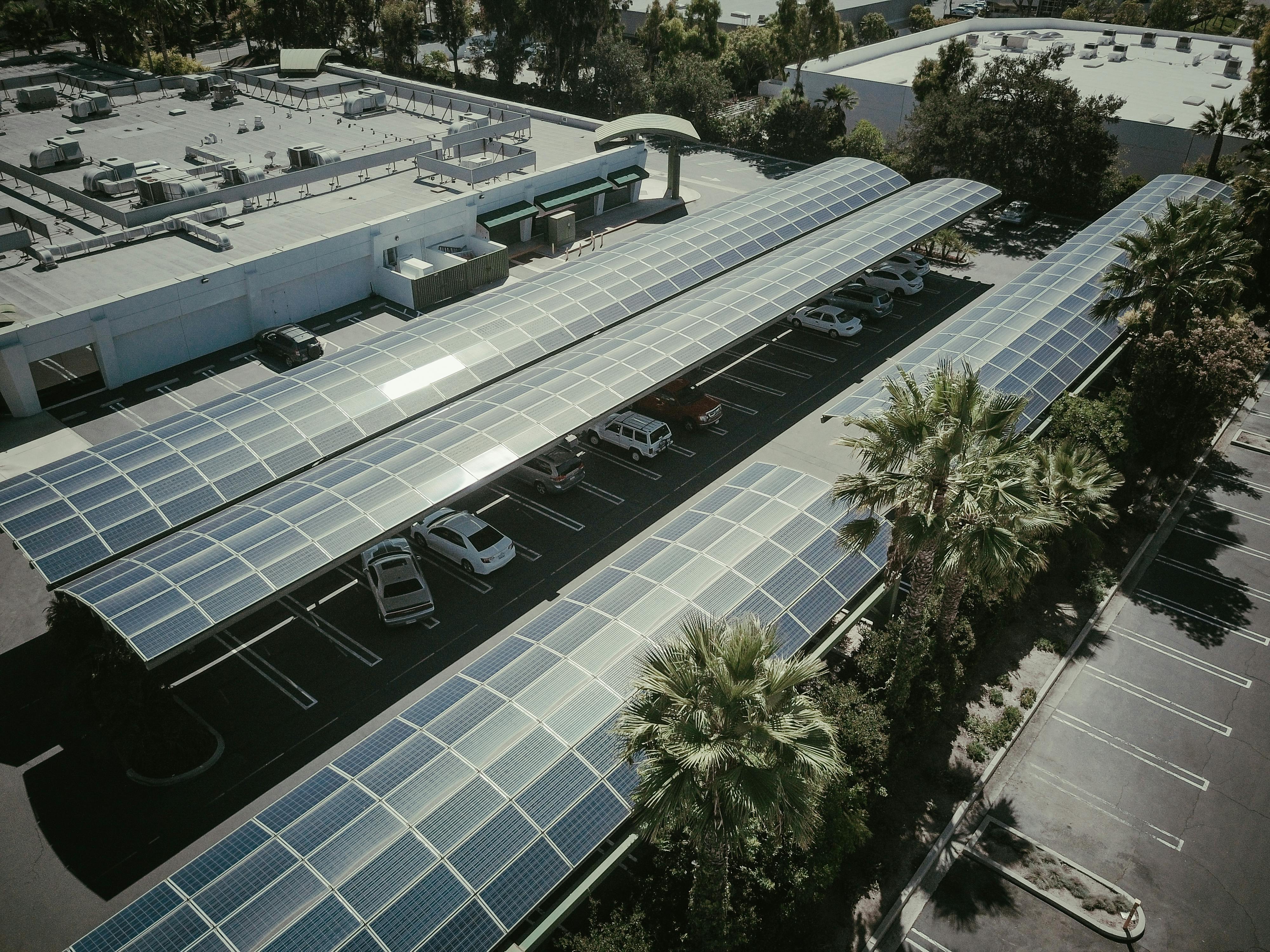
Smart Energy for Parking Facilities
Governments are embracing smart, sustainable parking solutions, integrating solar EV charging, LED lighting, and AI energy management to cut costs, boost efficiency, and power the shift to green mobility.
Sustainable Parking Lot Solutions:
Frequently Asked Questions
Gletscher Energy provides integrated solutions for solar farms, battery energy storage, EV charging, UPS and data centre continuity, off-grid agriculture, generator replacement, roadside wind and solar systems, traffic infrastructure, remote access control, and self-cleaning solar applications.
Gletscher Energy organizes its solutions into three platforms:
- Infrastructure Energy Solutions
- Off-Grid Energy Solutions
- Self-Cleaning Solar Solutions
Together, these platforms cover 13 applications across energy generation, mobility, critical power, agriculture, security, and remote infrastructure.
The solutions are designed for government entities, utilities, infrastructure developers, EPC contractors, system integrators, industrial operators, fleet owners, commercial facilities, agricultural operators, and organizations managing remote or critical sites.
Gletscher Energy focuses primarily on the Middle East, Africa, and other high-growth markets where heat, dust, weak-grid conditions, remote locations, rapid urbanization, and infrastructure expansion influence energy-system design.
A product is an individual component, such as a solar panel, inverter, battery, UPS, EV charger, wind turbine, or power station. A Gletscher solution combines selected products, controls, supporting equipment, and project-specific engineering into a coordinated system for a defined application.
Gletscher Energy can support both. Customers may procure individual product categories or develop an integrated system combining solar generation, energy storage, inverters, UPS, EV charging, portable power, wind generation, cabling, controls, and related infrastructure.
Yes. System configuration can be adapted to the site load, operating hours, available solar or wind resource, grid condition, required backup duration, expansion plan, environmental conditions, communication requirements, and applicable project standards.
Gletscher solutions are developed with heat, dust, outdoor exposure, remote operation, and maintenance constraints in mind. Final equipment selection and enclosure ratings must be matched to the actual temperature, dust, humidity, corrosion, and installation conditions of each site.
The process begins with the site’s electrical load, operating profile, critical loads, grid availability, required autonomy, environmental conditions, available installation area, and expansion requirements. These inputs are used to determine the suitable generation, storage, conversion, backup, and control architecture.
An initial assessment normally requires:
- Site location and application
- Connected and peak electrical loads
- Daily or monthly energy consumption
- Operating schedule
- Single-phase or three-phase requirements
- Grid and generator availability
- Required backup duration
- Available roof or ground area
- Site and environmental conditions
- Target commissioning date
Yes. Gletscher Energy supports EPCs and system integrators with product selection, preliminary sizing, bill-of-material guidance, component compatibility, technical documentation, procurement coordination, and deployment planning. The final scope is defined according to the project and commercial agreement.
Depending on the selected architecture, Gletscher systems can support grid-connected, fully off-grid, or hybrid operation. Hybrid systems may combine solar, battery storage, the utility grid, and generator backup to improve resilience and reduce fuel dependency.
Yes. A project can be designed to retain an existing generator or grid connection as a secondary or emergency source. This allows solar and battery systems to reduce generator runtime without requiring the existing infrastructure to be removed immediately.
Many Gletscher solutions use modular equipment and scalable architectures. Expansion may involve additional solar capacity, battery modules, inverter capacity, UPS modules, EV charging connectors, or power cabinets, subject to the original electrical design and site limits.
Remote monitoring can be included where supported by the selected inverter, battery, UPS, EV charging, or energy-management platform. Available functions may include operating status, energy flow, alarms, charging activity, battery state of charge, and equipment performance.
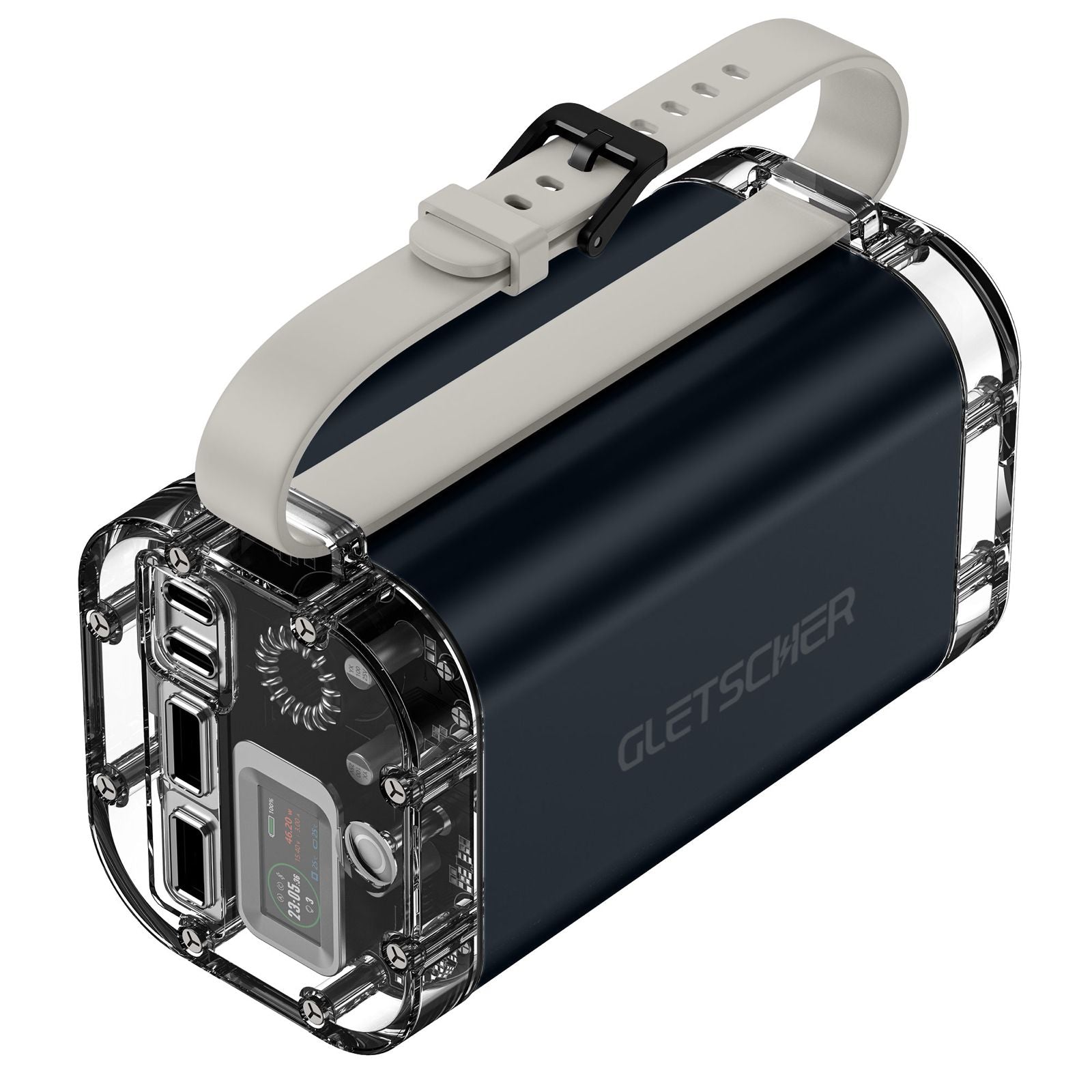
Depending on the project, a solution may incorporate Makellos solar panels, Alloy inverters, Onyx energy storage systems, Vertra UPS systems, Camper power stations, Stellar solar lighting, Brisca wind turbines, EV charging equipment, and Gletscher cables and accessories.
Available documentation may include datasheets, electrical specifications, installation requirements, drawings, communication details, certificates, warranty terms, and project-specific technical submissions. The exact package depends on the selected products and project scope.
No. Certifications, protection ratings, warranties, and performance terms vary by product family, model, market, and contract. Project teams should request the technical submittal and warranty schedule for the exact configuration being proposed
Installation, supervision, commissioning, and local support depend on the project location and agreed scope. Gletscher Energy may work with EPC contractors, system integrators, distributors, and qualified local partners for project execution.
The schedule depends on engineering complexity, approvals, equipment configuration, manufacturing lead time, shipping, civil works, grid requirements, and site readiness. Modular and off-grid systems may be deployed faster than utility-scale or grid-connected infrastructure projects.