
Energy in the Middle East has never been defined by scarcity. The region operates on one of the most resource-rich energy foundations globally, supported by decades of investment in large-scale power generation and centralized grid infrastructure. What is changing today is not the availability of energy, but the ability to access it consistently, predictably, and independently at the point of use.
Across residential, commercial, and industrial sectors, a subtle but important behavioral shift is emerging. Facilities are adjusting operating patterns to align with energy conditions, institutions are becoming more deliberate about when and how power is consumed, and businesses are reassessing continuity risks with a level of focus that was previously unnecessary. This shift does not suggest a shortage of supply. It highlights a growing realization that energy availability and energy reliability are fundamentally different.
As reliability becomes less assumed and more variable, energy is no longer treated as a passive utility. It becomes something that must be actively managed, optimized, and secured at the user level. This is where distributed energy systems, particularly the integration of solar generation and battery storage, begin to play a critical role in reshaping how power is delivered and controlled.
The Structural Reality of Centralized Energy Systems
Centralized energy systems are designed for efficiency, not flexibility. Large-scale generation feeds into transmission networks that distribute electricity across entire regions, achieving impressive scale performance under stable conditions. However, this model inherently concentrates risk. When demand surges, infrastructure is stressed, or system adjustments are required, the impact is distributed across users simultaneously.
What users experience is rarely total failure. It is far more often partial instability:
- temporary interruptions
- load adjustments
- localized inconsistency
- delayed recovery
From an engineering perspective, this is expected behavior. From an operational perspective, it introduces friction into systems that rely on continuity. This is where traditional backup solutions begin to show limitations.
Why Backup Systems Are No Longer Structurally Sufficient
Diesel generators and UPS systems were designed for a different energy environment, they assume:
- disruptions are rare
- duration is short
- fuel and grid conditions remain stable
This assumption is increasingly outdated.
Diesel generators
- Require continuous fuel availability
- Operate under volatile cost structures
- Introduce maintenance cycles and downtime
- Scale poorly across distributed environments
UPS systems
- Limited to minutes or hours of operation
- Do not generate energy
- Function as temporary buffers rather than solutions
Both approaches respond to instability. Neither reduces dependency on it.
Gletscher's Distributed Energy Systems: A Different Operating Model
A more resilient approach is based on local control of energy.
Instead of relying entirely on centralized supply, energy is:
- generated on-site
- stored locally
- deployed as needed
This is achieved through the integration of:
- Makellos Series Solar Panels (generation layer)
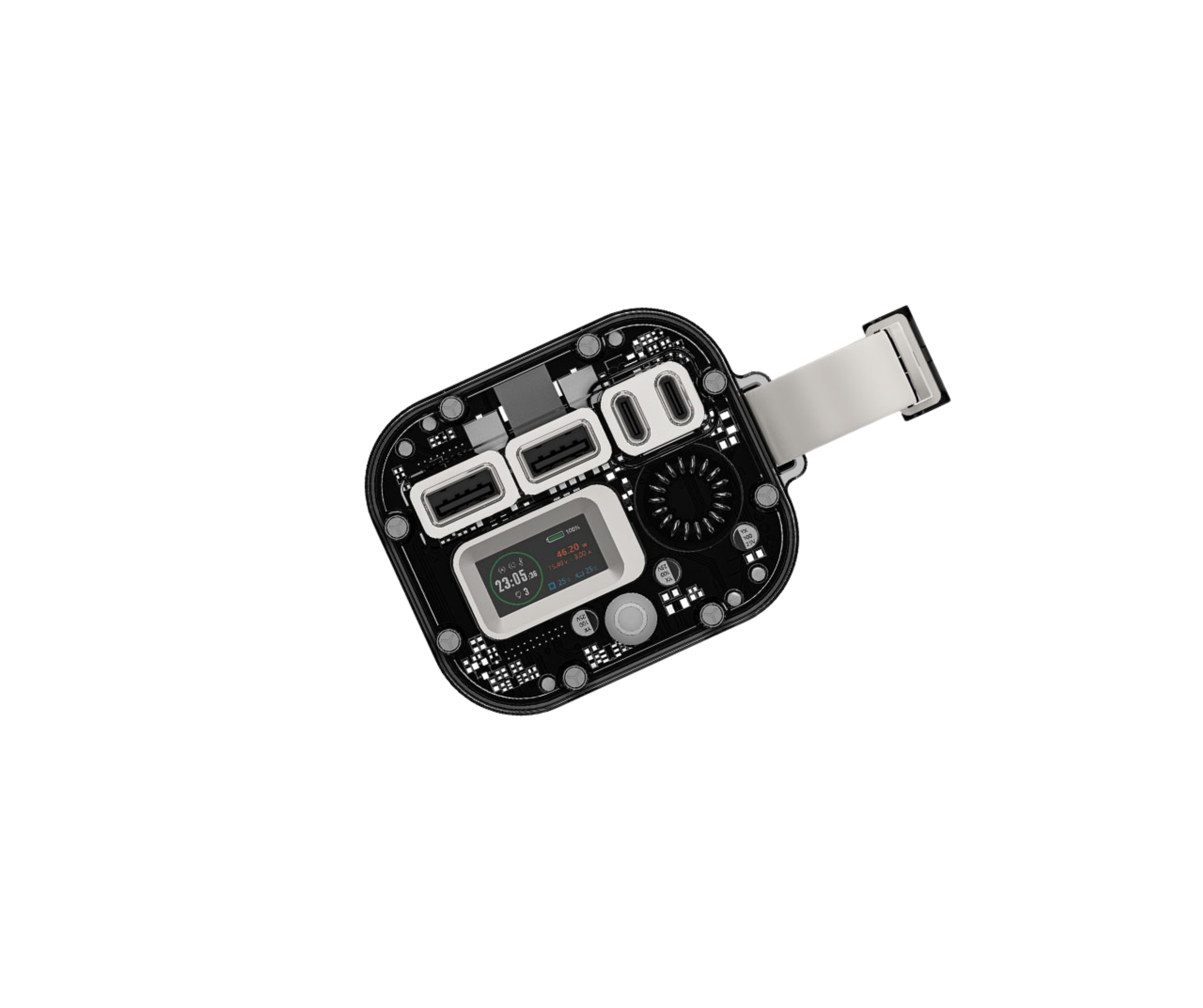
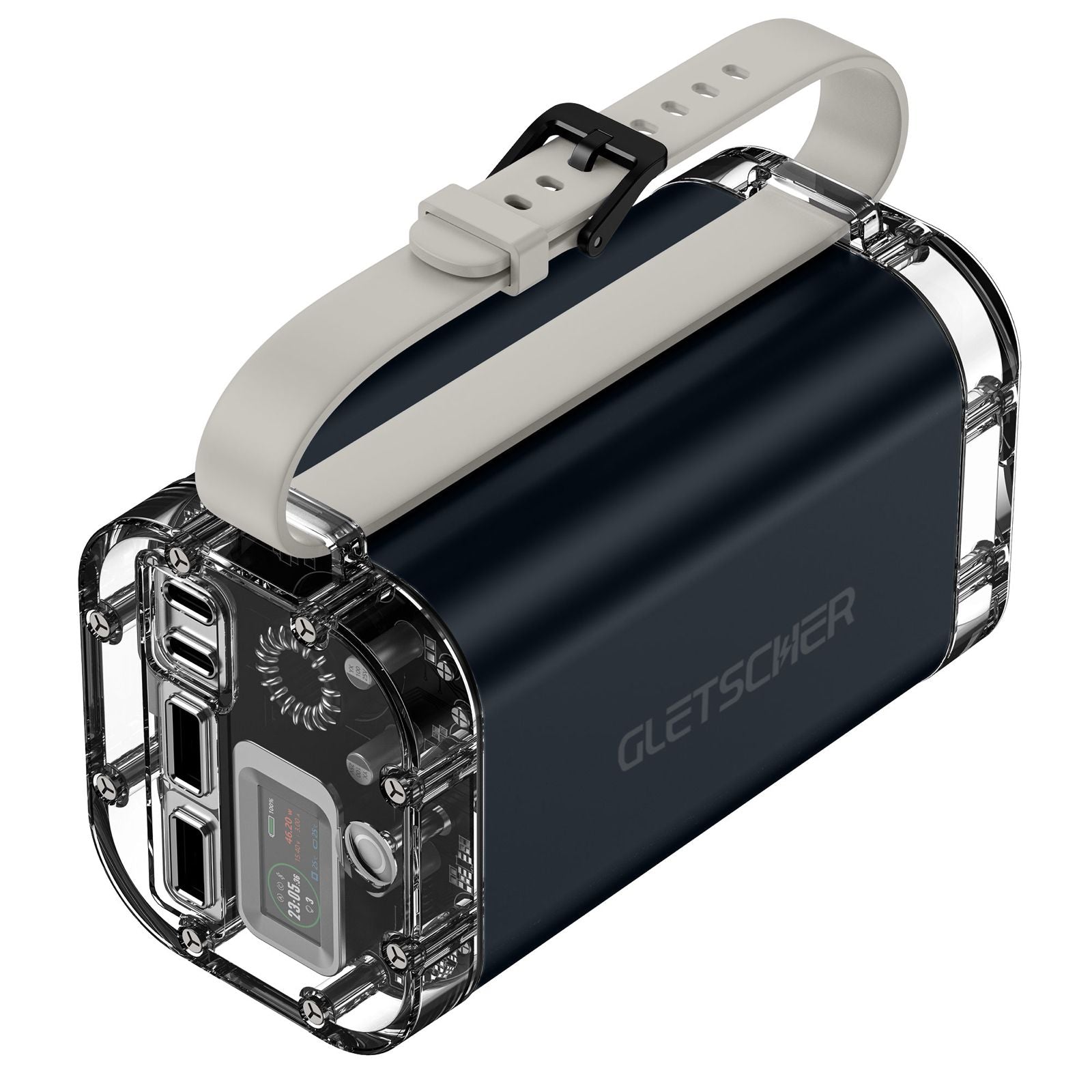
- Camper Series Powerstations, especially Camper Elite (storage + output layer)
Together, they form a closed-loop system that reduces dependency on external variability.
Quantifying Solar Output in the Middle East
The Middle East benefits from some of the highest solar irradiance globally, making solar energy not just viable, but highly efficient.
Baseline Solar Performance
- 1 kW installed → 4.5 to 5.5 kWh per day
- Peak sun hours → 5–7 hours/day average
- Efficiency (Makellos modules) → 21–23%

Makellos Series Output Breakdown
3 kW system (5–6 panels)- ~420–480 kWh per month
- ~5,500 kWh annually
Suitable for essential residential loads and small apartments
5 kW system (9–10 panels)
Produces approximately 22–28 kWh per day
- ~700–850 kWh per month
- ~9,500 kWh annually
Supports broader residential consumption including appliances and partial cooling
10 kW system (18–20 panels)
Produces approximately 45–55 kWh per day
- ~1,350–1,650 kWh per month
- ~18,000 kWh annually
Capable of powering full villas during daytime or small commercial environments
50 kW system (90–100 panels)
Produces approximately 220–275 kWh per day
- ~7,000–8,500 kWh per month
- ~95,000 kWh annually
Designed for schools, commercial buildings, and infrastructure-level demand
What This Actually Means (Practical Interpretation)
- 5 kW system → can fully support a small apartment or partial villa load
- 10 kW system → can power a full villa during daytime
- 50 kW system → supports schools, mid-size commercial operations
Solar in this region is not supplementary. It is primary-capable energy generation.

Battery Storage: Converting Generation Into Continuity
Solar generation alone solves only half the problem. Storage determines whether energy is usable beyond daylight hours.
Camper Series Powerstation Capability Overview
- Continuous output: 3.6 kW → 13 kW+
- Surge output: up to 18 kW
- Storage modules:
5 kWh (entry level)
10–20 kWh (mid scale)
20–40+ kWh (industrial modular systems)
Runtime Examples (Real Load Conditions)
5 kWh system can power:
- WiFi router (10W) → 400+ hours
- LED lighting (100W total) → 50 hours
- Laptop (60W) → 70+ hours
20 kWh system can power:
- Full apartment essentials → 1–2 days
- Split AC (1.5 kW) → 10–12 hours
- Office setup (computers + lights) → full working day
40 kWh system can support:
- Villa night load → full coverage
- Small commercial operations → 1 day backup
- Classroom blocks → continuous operation
Storage is not about backup duration, it is about decoupling energy usage from energy generation timing.
System Design by Use Case (Expanded & Practical)
1. Apartment (Urban Stability Model)
Typical Load Profile:
- Lighting → 1 kWh
- WiFi + electronics → 1 kWh
- AC (partial) → 2–4 kWh
- Misc → 1 kWh
Total = 4–7 kWh/day
System Configuration:
- Solar: 2–3 kW (Makellos Lite series)
- Panels: 5–6 panels
- Storage: 5–10 kWh Camper system
Performance Outcome:
- Essential operations fully covered
- 8–12 hours independent runtime
- Daily solar recharge cycle
- Zero fuel dependency
2. Villa (Full Lifestyle Continuity)
Typical Load Profile:
- AC systems → 15–25 kWh
- Appliances → 5–10 kWh
- Lighting + misc → 5 kWh
Total = 25–40 kWh/day
System Configuration:
- Solar: 8–12 kW Makellos system
- Panels: 15–25 panels
- Storage: 20–40 kWh Camper Elite
Performance Outcome:
- Daytime → solar-powered operation
- Nighttime → battery-supported
- Peak load smoothing
- 60–85% reduction in grid reliance
3. Schools (Operational Continuity Layer)
Typical Load Profile
- Classrooms lighting → 20–40 kWh
- IT infrastructure → 30–60 kWh
- Cooling + misc → 20–50 kWh
Total = 80–150 kWh/day
System Configuration:
- Solar: 30–50 kW Makellos system
- Panels: 60–100 panels
- Storage: 100–200 kWh modular battery
Performance Outcome:
- Full-day uninterrupted teaching
- Stable digital systems
- Reduced operating costs
- Long-term ROI through energy savings
4. Hospitals (Critical Infrastructure Layer)
Critical Load Profile:
- ICU systems
- Monitoring equipment
- Emergency lighting
- Ventilation
Total = 300–800 kWh/day
System Configuration:
- Solar: 150–300 kW Makellos system
- Storage: 300–800 kWh Camper Elite system
Performance Outcome:
- Immediate, seamless energy delivery
- No transition delay
- Reduced generator dependency
- Lower operational risk
5. Industrial / Construction (High Load Operations)
Equipment Load Examples:
- Welding machines → 3–6 kW
- Air compressors → 5–10 kW
- Pumps → 5–15 kW
System Configuration:
- Solar: 10–50 kW (fixed or mobile)
- Storage: 20–100 kWh modular units
- Output: multi-unit Camper Elite setup
Performance Outcome:
- Off-grid capable sites
- Stable high-load operation
- Reduced fuel logistics
- Lower cost per hour of operation

Cost Comparison: Fuel vs Solar + Storage
Traditional Diesel Model
- Fuel cost: variable monthly
- Maintenance: high
- Lifecycle: 2–3 years
- Noise: high
- Emissions: high
Solar + Powerstation Model
- Fuel cost: zero
- Maintenance: minimal
- Lifecycle: 8–10 years
- Noise: near silent
- Emissions: none
Financial Reality: Energy shifts from unpredictable expense to controlled infrastructure investment
Gletscher Energy: Integrated System Architecture
Rather than positioning individual components, Gletscher's system is designed as an integrated architecture:
- Makellos Series → generation layer
- Camper Series → storage and output layer
This allows energy systems to be configured based on:
- load profile
- application type
- scalability requirements
The result is a system that adapts to the user, rather than forcing the user to adapt to the system.
Final Perspective
The future of energy in the region is not defined by how much can be produced, but by how reliably it can be delivered at the point of use.
Distributed solar and storage systems introduce a level of control that centralized infrastructure alone cannot fully provide. They reduce dependency, improve predictability, and create a more stable operating environment across residential, commercial, and industrial sectors.
What was once considered an alternative is increasingly becoming a structural layer.
And in environments where consistency matters, structure is what determines stability.